Waterproofing is an essential process that helps protect buildings and structures from water damage. Whether it’s a new construction project or an existing building, waterproofing is crucial to ensure the longevity and durability of the structure. By preventing water infiltration, waterproofing helps maintain the structural integrity of the building and prevents issues such as mold, mildew, and rot.
There are various methods of waterproofing available, including liquid-applied membranes, cementitious coatings, and sheet membranes. Each method has its own set of benefits and drawbacks, depending on the type of building and its specific requirements. In this article, we will explore the different types of waterproofing methods available, their applications, and the importance of proper waterproofing in maintaining the integrity of buildings.
Types of Waterproofing Methods
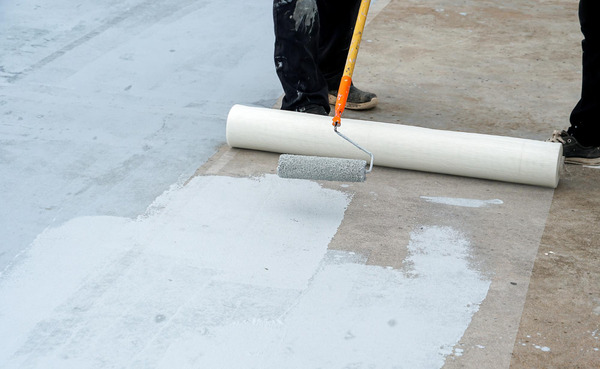
One of the commonly used waterproofing methods is the application of liquid-applied membranes. These membranes are flexible and can conform to the unique shapes and contours of a building, providing a seamless barrier against water penetration. Another popular method is the use of cementitious coatings, which are mixtures of cement, sand, and special additives that create a waterproof barrier when applied to surfaces. Sheet membranes, on the other hand, are pre-formed sheets made of materials like rubber, PVC, or modified bitumen that are laid over surfaces to prevent water infiltration.
Importance of Proper Waterproofing
Proper waterproofing is crucial in maintaining the structural integrity of buildings and preventing costly water damage repairs. Without adequate waterproofing measures in place, buildings are at risk of developing issues such as mold growth, corrosion of metal structures, and deterioration of concrete. By investing in professional waterproofing san diego, property owners can ensure that their buildings remain protected from water infiltration and stand the test of time.
In conclusion, waterproofing is a vital component in ensuring the longevity and durability of buildings and structures. With various methods available such as liquid-applied membranes, cementitious coatings, and sheet membranes, property owners can choose the best option suited for their specific needs. By investing in proper waterproofing measures, buildings can be protected from water damage, mold, mildew, and other issues that can compromise their integrity. Ultimately, proper waterproofing not only safeguards the structure but also saves property owners from costly repairs in the long run.