In the construction industry, sustainability is a growing concern. As we strive to reduce waste and minimize our impact on the environment, the use of recycled materials has become increasingly important. Pallets, with their versatility and abundance, offer an innovative solution for building sustainable structures. By repurposing pallets as construction materials, we can reduce waste, conserve resources, and create eco-friendly buildings. Melbourne Pallets is a trusted supplier of pallets for various industries in the Melbourne region. In this article, we will explore the benefits of using pallets in construction and highlight their role in promoting sustainability.
The Benefits of Pallets in Construction
Waste Reduction
Pallets provide a valuable means of reducing waste in the construction industry:
- Repurposing Materials: By repurposing pallets, we can give new life to materials that would otherwise end up in landfills. This reduces the amount of waste generated during construction projects.
- Diverting Wood Waste: Pallets are often made from wood, which is a renewable and recyclable material. Using pallets in construction helps divert wood waste from disposal sites, contributing to a more circular economy.
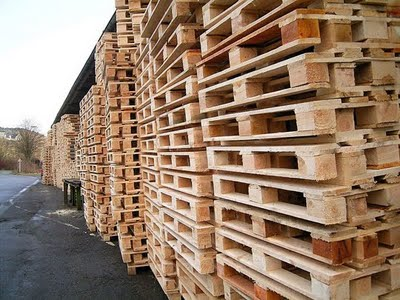
Resource Conservation
Using pallets in construction helps conserve valuable resources:
- Timber Conservation: Pallets are typically made from softwood, which can be sourced from sustainably managed forests. By using pallets, we reduce the demand for new timber, promoting responsible forest practices.
- Energy and Water Savings: Pallets require less energy and water to produce compared to other construction materials. By using recycled pallets, we minimize the energy and water footprint associated with traditional building materials.
Cost Savings
Pallets offer cost-effective solutions in construction:
- Affordability: Pallets are often readily available at a lower cost compared to traditional construction materials. This can result in significant cost savings for construction projects.
- Reduced Labor Costs: Pallets are lightweight and easy to handle, which can reduce labor costs during construction. They can be quickly assembled, disassembled, or modified to meet project requirements.
Applications of Pallets in Construction
Structural Components
Pallets can be used as structural elements in construction projects:
- Walls: Pallets can be stacked and secured to form exterior or interior walls. They can be filled with insulation materials to enhance energy efficiency.
- Roofing: Pallets can serve as the base for roofing structures. They can be covered with suitable materials such as metal, shingles, or waterproof membranes to ensure weather protection.
Interior Finishes
Pallets can be used for interior finishes, adding a unique and rustic touch to buildings:
- Flooring: Pallet boards can be sanded, finished, and installed as flooring material. They create a distinctive aesthetic while providing a durable and cost-effective solution.
- Ceilings: Pallets can be used to create decorative or functional ceilings. They can be installed in various patterns or left exposed to showcase the natural texture and charm of the wood.
Non-Structural Elements
Pallets can be repurposed for non-structural elements in construction:
- Furniture and Fixtures: Pallets can be transformed into furniture pieces, such as benches, tables, or storage units. They can also be repurposed as shelves, partitions, or decorative elements.
- Exterior Cladding: Pallet boards can be attached to the exterior of buildings as cladding, adding an interesting and sustainable design feature.
Considerations and Precautions
When using pallets in construction, it is important to keep the following considerations in mind:
- Safety: Ensure that pallets are structurally sound and free from any damage, rot, or infestation. Avoid using chemically treated pallets that may pose health risks.
- Code Compliance: Check local building codes and regulations to ensure compliance when using pallets in construction projects. Seek professional advice if needed.
- Treatment and Finishing: If necessary, treat pallets with appropriate sealants or coatings to enhance durability and protect against weathering.
- Structural Integrity: Properly design and engineer pallet-based structures to ensure their stability and load-bearing capacity.
Conclusion
Pallets offer an innovative and sustainable solution for construction projects, allowing us to build structures using recycled materials. By repurposing pallets, we reduce waste, conserve resources, and create eco-friendly buildings that promote sustainability. From structural components to interior finishes and non-structural elements, pallets demonstrate their versatility and affordability in various construction applications.
As the construction industry continues to embrace sustainable practices, incorporating pallets into building projects becomes a significant step toward a greener future. Let us harness the potential of pallets in construction and contribute to a more sustainable and environmentally conscious approach to building.